- GMP & ISO Certified Cell Therapy Network
- Oman • Morocco • Malaysia • Canada

Advanced Regenerative Medicine
Alzheimer Disease
Alzheimer’s Disease
Alzheimer’s disease (AD) is the most common cause of dementia, accounting for up to 70% of all dementia cases, and is now estimated to be the third leading cause of death, after heart disease and cancer. AD currently affects 5.2 million people in the United States (US), with projected estimates reaching 13.8 million (115 million worldwide) by the year 2050. Amyloid dysfunction is known to be the main pathological reason in around 20 similar diseases: Parkinson, M. Huntington, ALS and Diabetes type 2 among others.
AD is pathologically characterized by amyloid plaques, neurofibrillary tangles and loss of synapses in the brain. Neurofibrillary tangles consist of hyperphosphorylated tau protein while fibrils of the amyloid beta-peptide (Ab) aggregate into amyloid plaques.
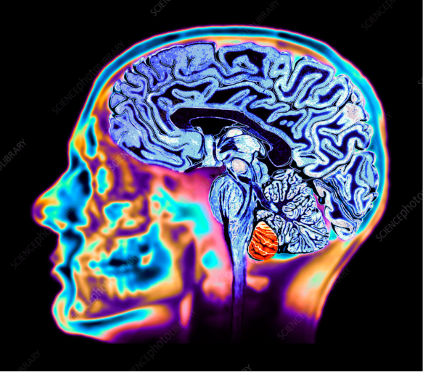
Early Detection
Amyloid beta (Ab) is a proteolytic product of the amyloid precursor protein (APP) which is sequentially cleaved in an amyloidogenic pathway by beta- and gamma-secretases. Beta-secretase cleaves APP close to the membrane, releasing a soluble APP beta-fragment.
The main enzyme responsible for the production of toxic amyloid beta in the body is BACE1 (Beta site amyloid precursor protein cleaving enzyme number 1).
BACE1 levels in saliva are considered the best biomarker to assess risk for developing AD. Levels of BACE1 in risk patients are high years before the onset of clinical signs.
Prevention
Prevention of Alzheimer Disease is focused mainly on
- reducing the enzyme BACE1 with the exosomes present in the stem cell derived secretome, preventing further accumulation of amyloid beta
- degradation of existing amyloid beta with Neprilysin
- Neuroprotective activity of brain derived neurotrophic factor BDNF in the secretome
- Neuroprotective activity of glia derived neurotrophic factor GDNF), insulin like growth factor 1 (IGF1) and fractalkine (CX3CL1) in the secretome
Prevention is done by 2-4 times yearly injections of stem cell secretome, produced by mesenchymal stem cells, but injections with the active ingredient in stem cell therapies, i.e. Exosomes, microvesicles and cytokines.
Monitoring via detection of BACE1 levels in saliva.
Current Treatment concepts
A. Mesenchymal stem cell derived secretome
The secretome of adipose derived MSC consists of various proteins (cytokines), micro & messenger RNA and extracellular vesicles, such as, but not limited to, exosomes and microvesicles.
- Exosomes contain a cargo of micro RNA (miRNA), messenger RNA (mRNA) and cytokines such as Neprilysin. Exosomes from mesenchymal stem cells contain around
- 2500 different types of miRNA, all of them are regenerative
- miRNA 146a for wound healing (diabetes)
- miRNA 219 and 133b for remyelination (neurology)
- miRNA 22, 146a, 210 for cardiovascular regeneration
- Microvesicles :
- Cytokines :
Neprilysin: Neprilysin is a zinc metallopeptidase enzyme. The physiological role of Neprilysin depends on its tissue localization. In the brain, neprilysin is involved in degradation of amyloid; specifically, it can degrade the peptide component of Alzheimer’s disease. In diabetes, Neprilysin degrades the toxic Islet Amyloid Polypeptide IAPP and thus prevents cell death.
HGF: Hepatocyte growth factor (HGF) is an angiogenic molecule that is responsible to promote cell proliferation, resisting apoptosis, and inducing cell motility or invasion
BDNF: plays an important role in neuronal survival and growth, serves as a neurotransmitter modulator, and participates in neuronal plasticity, which is essential for learning and memory.
B. Mesenchymal stem cells
Mesenchymal stem cells, or MSCs, are multipotent stromal cells that can differentiate into a variety of cell types, including: osteoblasts, chondrocytes, neurons, muscle cells and adipocytes. This phenomenon has been documented in specific cells and tissues in vivo and in vitro. MSCs are distributed all over the body and are responsible for regeneration. Commonly used tissues for the isolation of MSC are bone marrow, umbilical cord, cord lining and, increasingly, adipose tissue which has a superior amount of MSCs.
In order to apply human autologous adipose tissue derived MSC (ad MSC) in the clinical setting, we have developed a standardized protocol to isolate and culture-expand ad MSC from minimal amounts of fat in vitro, achieving sufficient cell numbers for multiple therapeutic inventions.
Expanded ad MScs maintained the potency for effective differentiation independently of donor age and disease status. The confirmed genetic stability and in vivo safety of ex-vivo expanded ad MScs in animal models and patients indicate that even ad MScs from older persons are applicable for autologous therapy and are comparable to those derived from young donors.
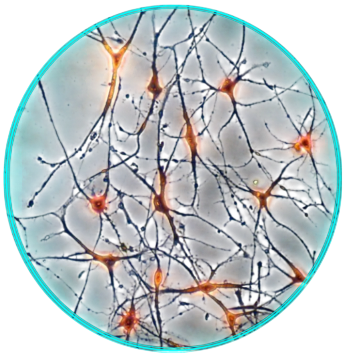
We investigated the migration ability of ad MScs and exosomes and their in-vivo homing after systemic infusion and have established several ways to let MSCs produce different kinds of secretome. We are thus able to adjust treatments with the secretome to different diseases as well as to individual patients. For instance, a simple addition of a vitamin to the stem cell culture media will augment levels of neprilysin in the secretome which then can be used to treat Alzheimer disease patients.
Exosomes and the whole secretome have been used for therapies in regenerative medicine to treat various illnesses such as osteoarthritis, cardiovascular diseases, neurological diseases, pulmonary diseases, diabetes and many more.
We are also able to transform ad MSC into insulin producing cells for the replacement of beta cells of the pancreas and into dopamine producing cells to treat Parkinson disease in the near future. A large body of evidence demonstrated that MSC commonly have immunomodulatory, anti-apoptic and anti-inflammatory properties.
C. Intranasal Application of regenerative substances
BDNF (brain derived neurotrophic factor)
Brain-derived neurotrophic factor (BDNF) plays an important role in neuronal survival and growth, serves as a neurotransmitter modulator, and participates in neuronal plasticity, which is essential for learning and memory.
Dihexa (N-hexanoic-Tyr-Ile-(6) amino hexanoic amide)
Dihexa has been found to potentially assist in the improvement of the cognitive functions that decline as a result of Alzheimer’s disease, or other similar dementias, by augmenting synaptic connectivity.
It was found to be more effective than that of brain-derived neurotrophic factor, or BDNF, and has the ability to penetrate the blood-brain barrier.
Experimental / Future Treatments
A. Anti-GPNMB vaccine with Dendritic Cells
Glycoproteine Non-Metastatic Melanoma Protein B
GPNMB is a molecule with a transmembrane domain that was enriched in senescent cells (Seno-antigen). In preclinical studies, the suppression of GPNMB led to improved normal and pathological phenotypes associated with aging, and extended lifespan. Studies are ongoing to assess a vaccine based on your own Dendritic Cells to remove excess amount of GPNMB from your body.
B. GLP-1 peptide injections
Addressing the dysfunctions of all brain cell types in Alzheimer’s disease (AD) should cure the dementia, an objective that might be achieved by GLP-1 agonist drugs (glucagon-like peptide-1), because receptors for GLP-1 are present in all of the main brain cell types, i.e., neurons, oligodendroglia, astroglia, microglia, endothelial cells and pericytes.
A recent study of cognition, using GLP-1 agonist, in a randomized, placebo-controlled trial involving 8828 participants, showed significant benefit to cognition.
Begin Step 1 Today
Request your free medical record evaluation with our senior physicians. No obligation or upfront payment required.